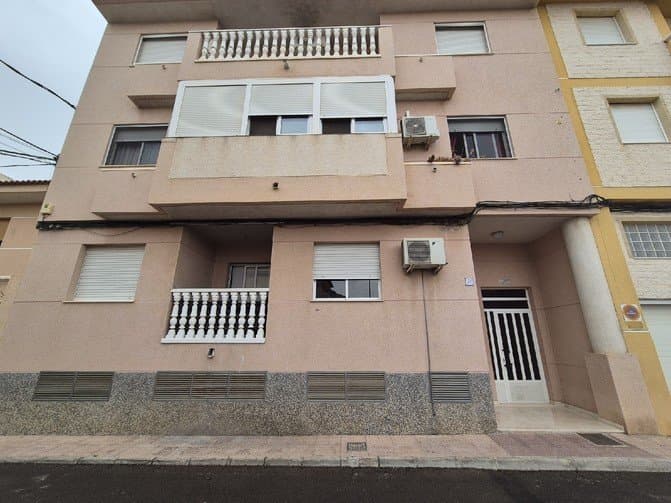
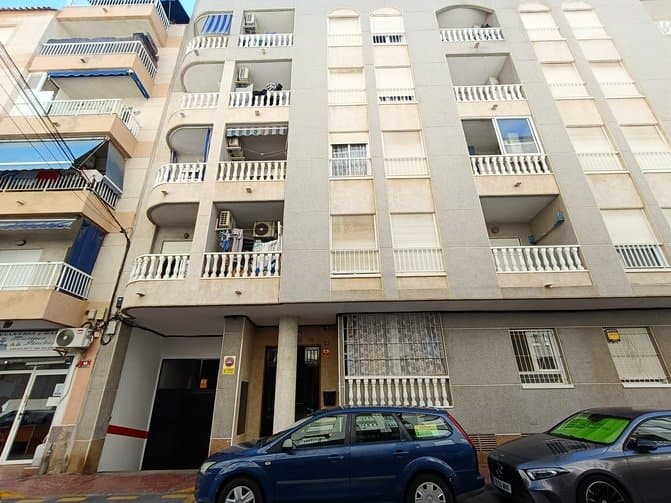
Let's be clear: the bank repossession market has changed enormously. Gone is the friendly branch manager who tipped you off about a bargain before the sign went up. It's all handled now by huge investment funds and servicers (the banks' property companies), which have thousands of homes stuck on their books and need to offload them fast.
That's where we come in. Banks don't want homes, they want liquidity. Keeping them empty costs them money, as does paying the community fees (sometimes they don't) and dealing with possible squatters. That's why they let go of repossessed homes at huge discounts, often for half of what the neighbour on the third floor is asking.
Watch out: there's a lot of noise out there. The trap isn't failing to find cheap homes, it's getting stuck with a dud. The key is knowing how to filter purely on objective numbers.
The reality of repossessed homes
Let's call things by their name: a bank repossession is a home someone stopped paying for, full stop. The bank enforces the mortgage and keeps the keys. That brings two very good things for anyone with cash or the capacity to borrow:
- The bank wants to sell YESTERDAY: they're in a hurry. "Toxic assets" are burning a hole in their balance sheets. If you come with a firm offer or join a bidding round, they often accept it even if it drags the price down.
- They'll give you the mortgage themselves: banks like to get the home off their hands. If you buy one of their own homes, they tend to be far more generous with financing (it's easier to squeeze out a 100% mortgage here than through a local estate agent).

Mind the small print (what they don't tell you)
It isn't all a case of turning up, paying and renting it out the next day. If you're house flipping (buying, renovating and selling) or after a high rental yield, these three usual scares have to go into your spreadsheet, no matter what:
- The state of the home: many have been shut up for months or years. Sometimes the former owners took even the sockets and the doors. Always allow a good cushion for the renovation and unexpected costs.
- Buying "con bicho": that's what the trade calls buying an occupied home (literally, "with a bug"). Yes, they're by far the cheapest homes on the market (discounts of 60, 70 or even 80%), but you take on the headache of evicting the squatter through the courts, and the time that takes.
- Hidden debts: the bank should hand it over free of earlier mortgages, but sometimes it "forgets" the IBI (the local property tax) or the special levies of the owners' association. Always insist on a Nota Simple (the Land Registry extract) before you hand over a single euro, and check the certificate from the owners' association.
Bank repossessions by bank: who sells what
No bank sells you its homes at the branch: each one sells them through a servicer, and in recent years almost all of them have changed hands.
The full map, with who owns each servicer and what that changes for the mortgage and the negotiation: which estate agency sells each bank's homes.
How to hunt down the real opportunities today
If you start trawling Haya, Servihabitat, Altamira and the BOE (Spain's Official State Gazette) by hand every morning, you'll go mad. And when you spot a good price, how do you know quickly whether it's really below the market for that particular street or whether you're being taken for a ride?
That's why RadarPro was born. We connect to the sources, assess the real price in your city with our property AI and tell you: "Hey, this home has just come up and it's 40% below the market for its postcode." So all you have to do is filter, view and negotiate, without wasting weeks on misleading listings.
Frequently asked questions (FAQ)
Why are bank repossessions so cheap?
Banks pile up homes from evictions and deeds in lieu of foreclosure. Property isn't their business, so they look to sell these assets quickly to clean up their balance sheets, accepting sales below the appraised value.
Do bank-owned homes come with hidden charges?
They're normally handed over free of private charges (earlier mortgages are cancelled). Even so, it's up to the bank, or sometimes to the buyer depending on the contract, to cover outstanding community fees or IBI. Always ask for a Nota Simple.
Can I view repossessed homes before buying?
It depends on who has possession. If they're free of occupants and the servicer has the keys, yes. However, many court auctions and bulk portfolio sales don't allow viewings before the bidding.