
Kutxabank and Ibercaja are two regional banks with something in common: they emerged from the merger of historic savings banks with strong geographical roots and, as a result, built up portfolios of repossessed property with a very specific geographical concentration. Kutxabank in the Basque Country, Navarre and a little of Cantabria. Ibercaja in Aragon, La Rioja, Guadalajara and parts of Castilla y León.
For investors operating in those areas, knowing these two players is essential. Their repossessed assets are less well known than those of Sareb (Spain's "bad bank") or Haya Real Estate (now merged into Solvia), which in practice means less competition. And because they are regional banks with deep local roots, they have assets in markets that the big national servicers don't usually prioritise.
Kutxabank: the Basque savings bank with a portfolio concentrated in Euskadi
Kutxabank was formed in 2012 from the merger of three Basque savings banks: BBK (Bilbao Bizkaia Kutxa), Kutxa (from Gipuzkoa) and CajaVital (from Álava). The merger also meant combining the three banks' portfolios of repossessed assets, with an almost exclusive geographical concentration in the Basque Country (Euskadi).
Kutxabank's property inventory in 2026 mainly includes:
- Residential flats in Bilbao and its metropolitan area (especially the Margen Izquierda, the left bank of the estuary: Barakaldo, Sestao, Santurce).
- Flats in San Sebastián and towns in Gipuzkoa (Pasaia, Errenteria, Arrasate).
- Homes in Vitoria-Gasteiz and towns in Álava.
- Some assets from Navarre, because of Kutxa's historical presence in Pamplona and northern Navarre.
- Commercial premises and industrial units in industrial towns in all three provinces.
How to access Kutxabank's catalogue
Kutxabank doesn't sell its properties directly: its portfolio is managed and sold by Servihabitat. The way in is:
- Kutxabank's property portal: The "Portal inmobiliario" (property portal) link on the bank's website takes you to the Kutxabank section of Servihabitat's website. It's the most direct starting point.
Kutxabank's financing terms on its own assets
Kutxabank offers preferential terms for buying its own assets. The usual features in 2026:
- Finance of up to 100% of the sale price for buyers with proven creditworthiness, compared with the market standard of 80%.
- A reduced arrangement fee (waived in some cases) as an additional incentive.
- Repayment terms of up to 30 years for individuals with a suitable credit profile.
- Interest rates that, on some long-held assets, may be discounted as a lever to clear stock.
As always with bank finance on the bank's own assets, you need to compare these terms with the general mortgage market. The bank has an interest in closing the sale, and although its terms may be good, a mortgage broker may be able to get an alternative offer that's as good or better, with fewer tie-ins.
Ibercaja: the bank of the Ebro valley
Ibercaja Banco has its origins in the Caja de Ahorros y Monte de Piedad de Zaragoza, Aragón y Rioja (ZARAGOZA, founded in 1876). It also absorbed Caja Badajoz, Caja de la Inmaculada de Aragón and other smaller institutions during the restructuring of the savings bank sector. The result is a bank with a strong presence in Aragon, La Rioja, Guadalajara and parts of Castilla y León.
Ibercaja's property portfolio reflects that geography. Its assets are concentrated in:
- The city of Zaragoza and its metropolitan area: The densest concentration. Assets in every neighbourhood of the city of Zaragoza (Delicias, Las Fuentes, Torrero, Oliver, El Arrabal) and in towns in the metropolitan area (Utebo, Cuarte, La Puebla de Alfindén, Zuera).
- The rest of Aragon: Towns in the provinces of Huesca and Teruel, especially those with the most economic weight (the city of Huesca, Monzón, Jaca, the city of Teruel). Very low prices and potentially very high yields, but shallower rental markets.
- La Rioja (Logroño and towns in La Rioja Baja): Logroño has solid rental demand thanks to its position as the capital of a single-province region with a university and administrative role. Prices of between €1,200 and €1,700/m². Yields of 6% to 7.5% on the best deals.
- Guadalajara: A municipality within Madrid's sphere of influence, with rental demand from workers in the Corredor del Henares (the Henares Corridor). Prices of between €1,200 and €1,600/m². High rental demand because of the Corridor's concentration of industry and logistics.
How to access Ibercaja's catalogue
- Ibercaja's repossessed property portal: The bank publishes its inventory through Solvia: the "Portal inmobiliario" on its official website takes you to Solvia's portal. It can be filtered by type of property, region and price. The catalogue is more up to date than those of some smaller lenders and lets you request information directly online.
- Idealista and general portals: Ibercaja advertises part of its inventory on the general property portals under the bank's name. Filtering by seller on Idealista or Fotocasa lets you see the Ibercaja assets that appear on that platform.
- Local agencies in Zaragoza and Logroño: Ibercaja's network of partner agencies in Aragon and La Rioja is a complementary channel for assets that don't appear on the public portal.
Negotiation and margin on Kutxabank and Ibercaja assets
Factors that increase the room for negotiation: assets that have been on the books for more than 2 years without selling (you can identify them by checking the registration date in the Catastro, Spain's cadastral register, or by asking the bank directly), assets with some non-structural complication (a need for cosmetic refurbishment, manageable community fee debt, paperwork that needs some sorting out), and buying several assets at once, which lets you negotiate them as a package.
The range of discount on the published price that it's reasonable to ask for on long-held assets: between 5% and 15%, depending on the time on the books and the condition of the asset. The end of a quarter and the close of the financial year are the best times to negotiate.
A specific opportunity: the Zaragoza-Logroño-Guadalajara triangle
For investors looking for a market with solid fundamentals, good purchase prices and less competition than Madrid or Barcelona, the geographical "triangle" formed by Zaragoza, Logroño and Guadalajara (with motorway and AVE high-speed rail links between them and to Madrid) deserves special attention. All three cities have rental demand from industry and logistics, purchase prices among the lowest in their respective categories, and portfolios of Ibercaja bank assets with a real discount.
Ibercaja knows those markets better than any other player: it has been in them for decades. And that means both its assets and its financing terms are calibrated to those areas in a way the big national servicers can't replicate.
Related resources: For cheap flats specifically in Zaragoza, the article on investing in Zaragoza covers the areas and strategies. For bank repossessions from other national lenders, the guide to bank repossessions in Spain includes all the main servicers. If you're also interested in the auction market in Ibercaja's heartland, the court auctions guide covers the process for any province.
Bank repossessions available right now
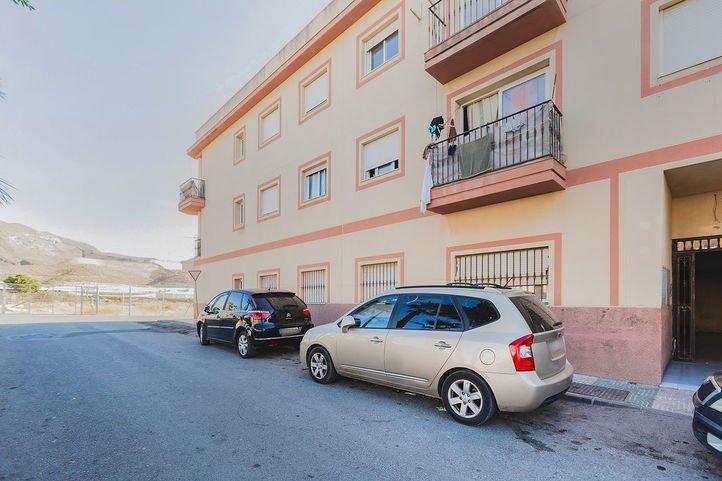
Kutxabank's portfolio is sold by Servihabitat, and Ibercaja sells its own through Solvia. These are bank repossessions from several servicers, each with its discount on the market price for its area.
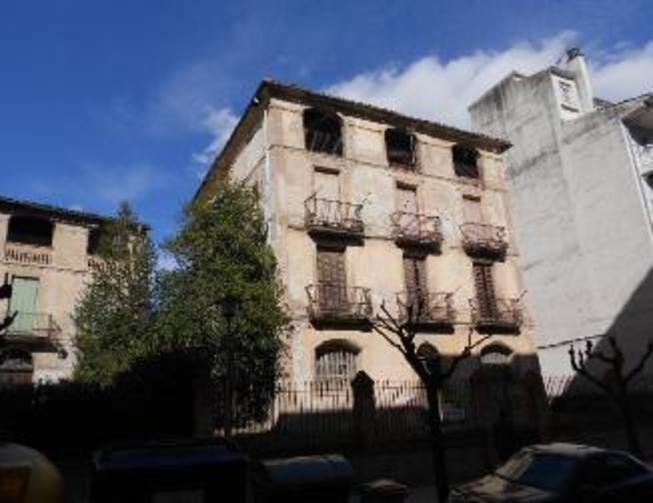
Apartment
99/100- Price
- €49,000
- Valuation
- €102,038
Yield12.3%
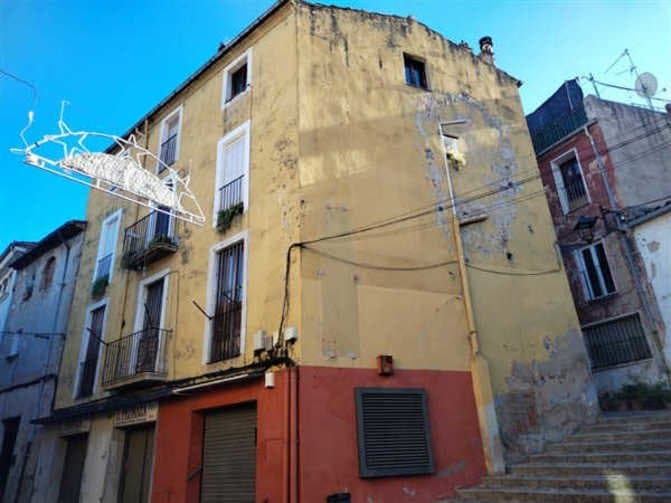
Apartment
98/100- Price
- €54,200
- Valuation
- €125,586
Yield16.5%
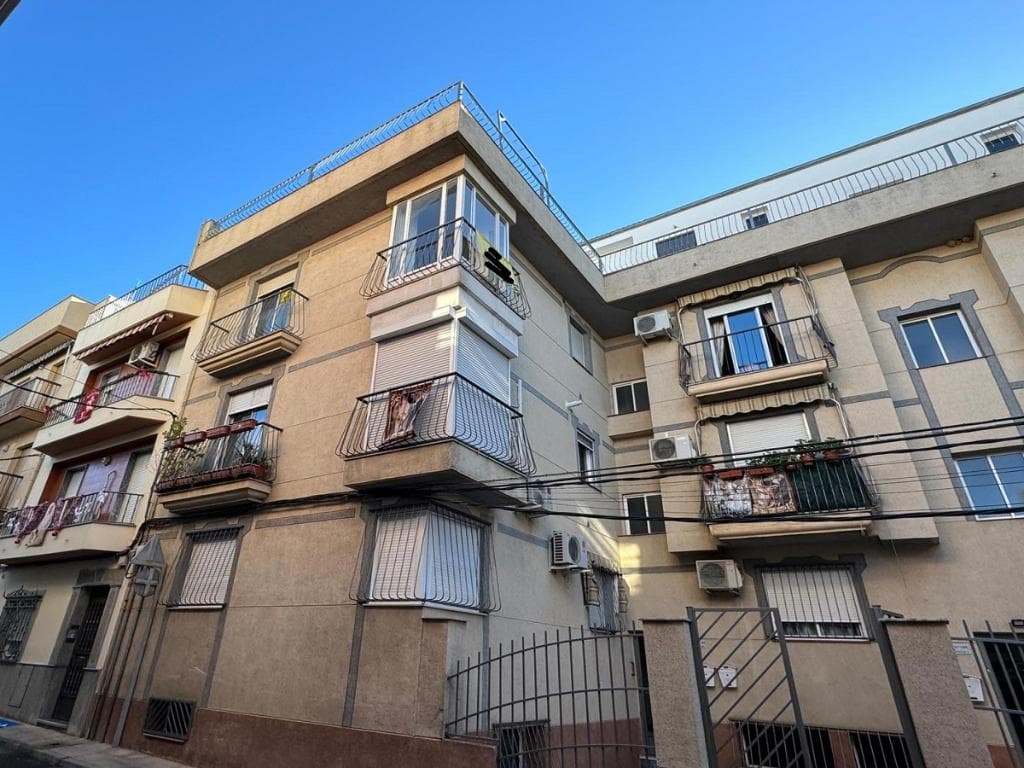
Apartment
96/100- Price
- €67,000
- Valuation
- €107,714
Yield9.3%
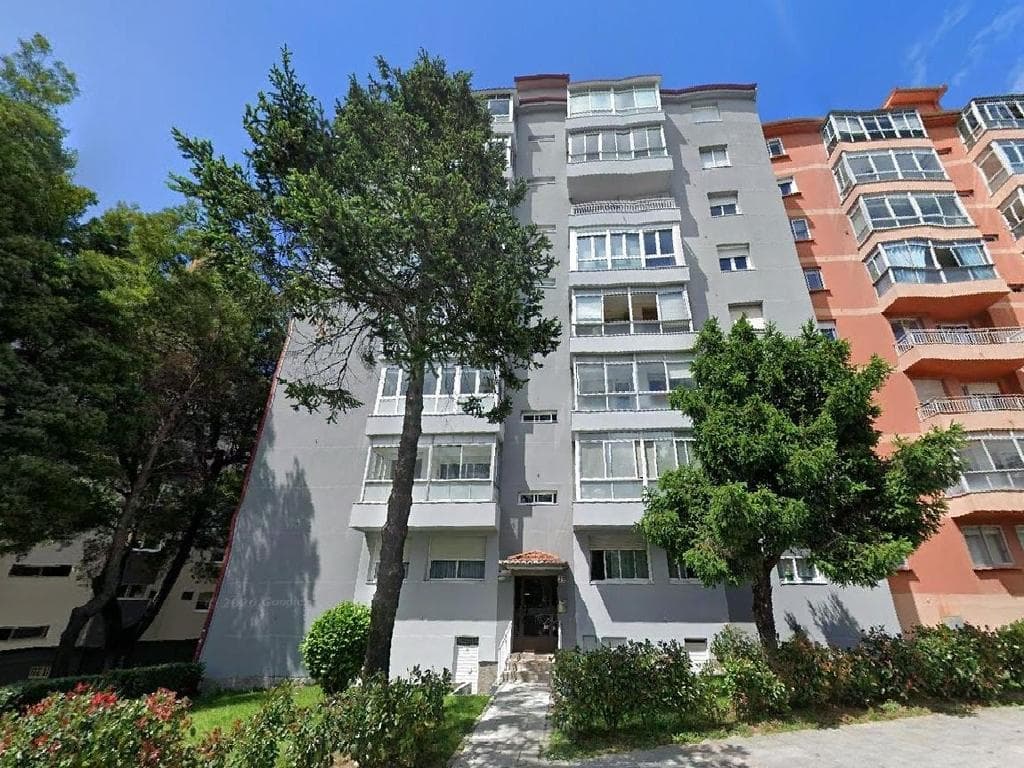
Apartment
95/100- Price
- €38,000
- Valuation
- €95,638
Yield—
Buy with data, not gut feeling
RadarPro combines algorithmic calculations and artificial intelligence to analyse the market and spot the best property opportunities.
Create a free account →
